01
Why a single prompt is not enough
Treat the brief, context and acceptance criteria as prerequisites for verifiable development work.
Keynote / Engineering & Delivery
Generating code is one step. Turning it into reliably delivered software is a system challenge. The talk combines lessons from practice with a clear look at task breakdown, context, tests and reviews, and shows what a software factory means beyond the buzzword.
Who it’s for
For engineering leads, CTOs, product leaders and development teams who want to understand agentic coding as a way of working.
Content framework
We tailor the focus and technical depth to your question.
01
Treat the brief, context and acceptance criteria as prerequisites for verifiable development work.
02
Combine tool access, tests, feedback and boundaries into a controllable working environment.
03
Lessons from practice on reviews, integration and failures, without handing responsibility over to automation.
How I work
The explorer shows the overarching architectural framework, not a live coding environment. In the bootcamp, we apply it to tasks, harness, tests and review.
03 · Orchestration
Models, tools and people take on defined tasks. LangGraph lets you model stateful workflows, including handoffs, approvals and clear limits on autonomous actions.
ResultA traceable workflow from input to result.
Related: AI agents workshop →Schematic architecture example. The specific choice of technologies and building blocks follows the use case.
Before you inquire
The keynote format runs 45–60 minutes. Alternatives within the offering are a 20-minute talk, a 90-minute deep dive with Q&A, or a panel by arrangement.
Fee from €6,500 plus VAT and travel. International €8,500–12,000 plus VAT. All fees plus VAT.
I speak fluent English. All offerings and intro calls are available in German and English.
Yes. Keynotes are available on-site and remotely; just mention your preferred setting in your inquiry.
The focus depends on the audience. Leadership teams get a strategic perspective; technical teams can go deeper into retrieval, graphs and agentic workflows.
No. The talks explain architectural principles. Neo4j and LangGraph serve as concrete examples; you do not need to use these tools already.
Helpful details are your preferred date, venue or setting, audience and size, topic, and the language you want. Availability is checked case by case.
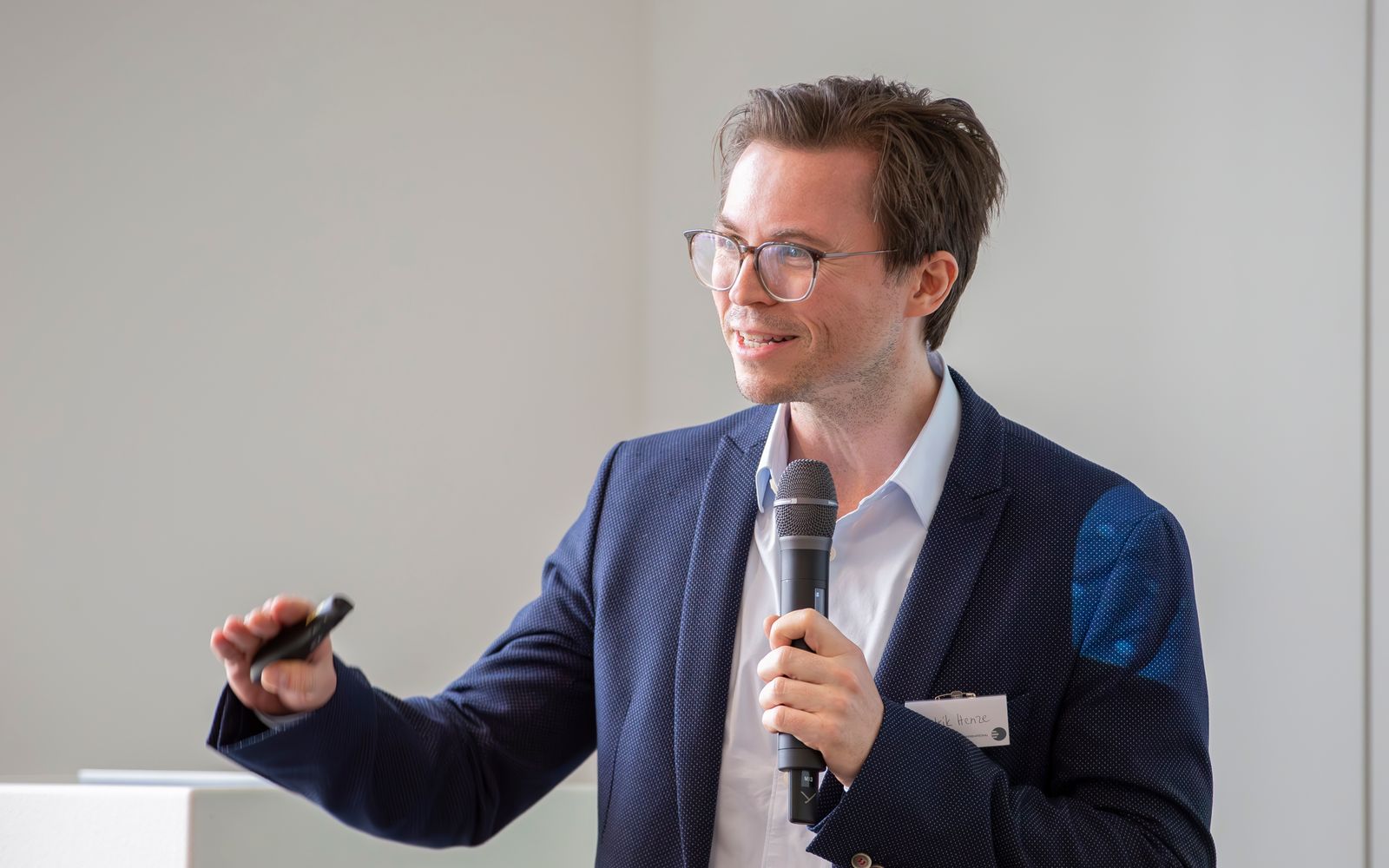
Your next step
We align technical depth and examples with your audience. The focus is on transferable engineering principles, not on the promise of fully autonomous development.
Tell me about your audience or team, your question and a preferred date. On that basis, we clarify format and scope.
See the workshop on this topic