01
Show the work, don’t just talk about AI
Follow practical examples of how a task becomes an AI-assisted workflow.
Keynote / Work & Collaboration
Between an impressive demo and meaningful use lies one decisive question: how does the work itself change? Practical examples with Claude Code, Codex and Cowork make new ways of working tangible, along with their possibilities, limits and consequences for teams.
Who it’s for
For leaders, business units and teams that want to move beyond isolated AI experiments and evolve how they work together.
Content framework
We tailor the focus and technical depth to your question.
01
Follow practical examples of how a task becomes an AI-assisted workflow.
02
Setting goals, providing context, reviewing results and taking responsibility: making the work around the AI visible.
03
Discuss shared ground rules, good starter tasks and transparent quality standards.
How I work
The explorer maps tasks, data and responsibility. We tailor the hands-on tool examples with Claude Code, Codex and Cowork to the format and the available environment.
01 · Direction
Which decision should get better? Which process faster? A clear benefit, measurable success criteria and a narrowly scoped first use case give the technical work its direction.
ResultA shared target picture with testable assumptions.
Related: Architecture Assessment →Schematic architecture example. The specific choice of technologies and building blocks follows the use case.
Before you inquire
The keynote format runs 45–60 minutes. Alternatives within the offering are a 20-minute talk, a 90-minute deep dive with Q&A, or a panel by arrangement.
Fee from €6,500 plus VAT and travel. International €8,500–12,000 plus VAT. All fees plus VAT.
I speak fluent English. All offerings and intro calls are available in German and English.
Yes. Keynotes are available on-site and remotely; just mention your preferred setting in your inquiry.
The focus depends on the audience. Leadership teams get a strategic perspective; technical teams can go deeper into retrieval, graphs and agentic workflows.
No. The talks explain architectural principles. Neo4j and LangGraph serve as concrete examples; you do not need to use these tools already.
Helpful details are your preferred date, venue or setting, audience and size, topic, and the language you want. Availability is checked case by case.
Your next step
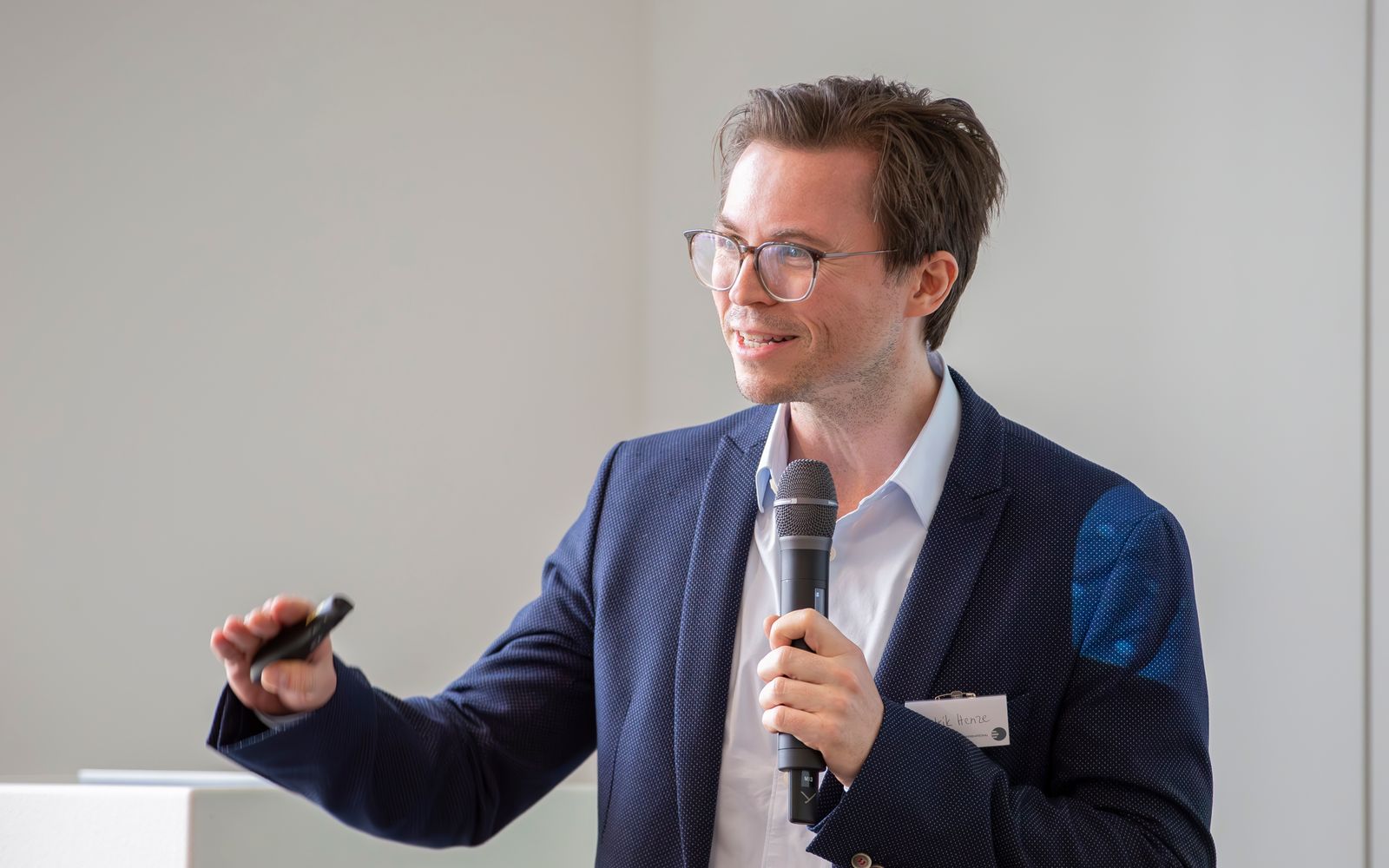
We tailor examples and technical depth to your audience. Which tools are shown depends on availability, access and the agreed data protection requirements.
Tell me about your audience or team, your question and a preferred date. On that basis, we clarify format and scope.
See the workshop on this topic